Leeds United and Manchester United sit less than 40 miles apart, but the rivalry between them is framed as something much older and bigger than a football fixture: a football-shirted continuation of a war fought five centuries earlier. This is the full story of how that framing took hold, and everything that’s happened underneath it since.
Head-to-Head: The Numbers
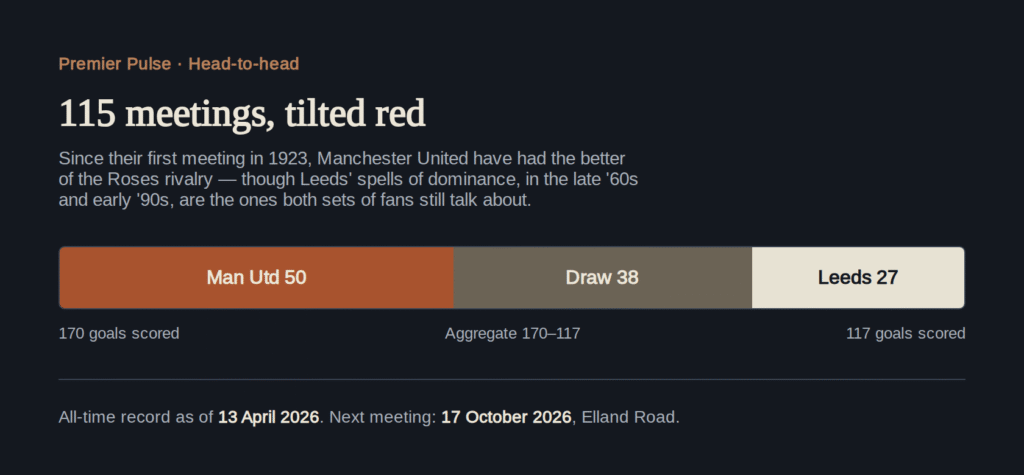
Across 115 competitive meetings since 1923, Manchester United hold a clear edge: 50 wins to Leeds’ 27, with 38 draws, and a 170–117 lead on goals scored. It’s lopsided in a way the closeness of eras like 1967–72 and 1991–92 tends to obscure — by the numbers, this is one of Manchester United’s more comfortably-won long-running rivalries, even if it’s never felt that way on derby day itself.
Records
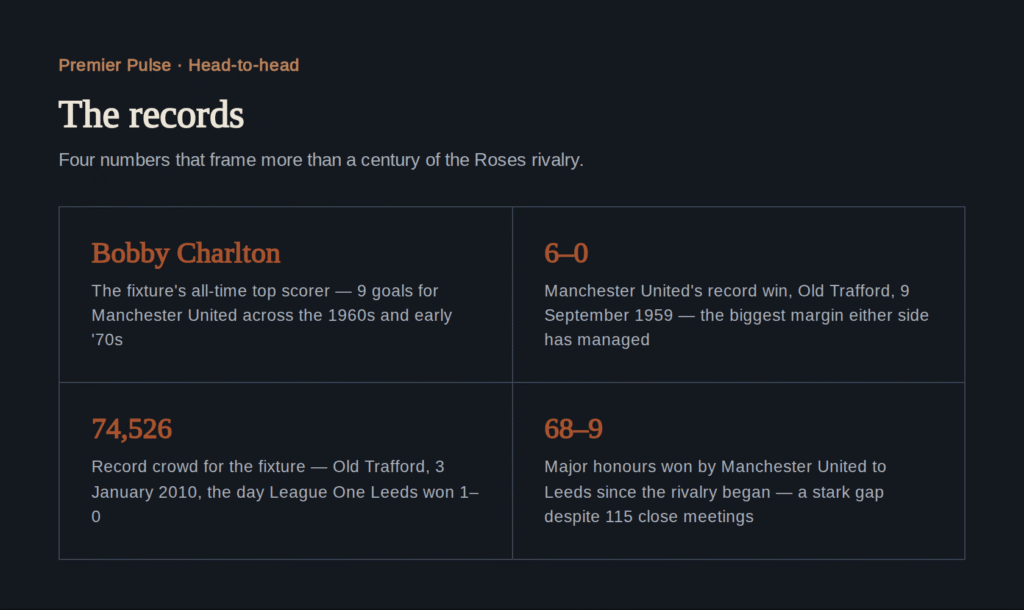
Bobby Charlton is the fixture’s all-time top scorer with 9 goals; Manchester United’s 6–0 win at Old Trafford in September 1959 is the largest margin either side has managed (Leeds’ own record win, 5–0, came at Elland Road in December 1930). The record crowd for the fixture, 74,526, came for the 2010 FA Cup shock. And for all the closeness of the on-pitch record, the honours gap is stark: 68 major trophies for Manchester United against 9 for Leeds since the rivalry began.
Origins: A War Fought 500 Years Before Either Club Existed
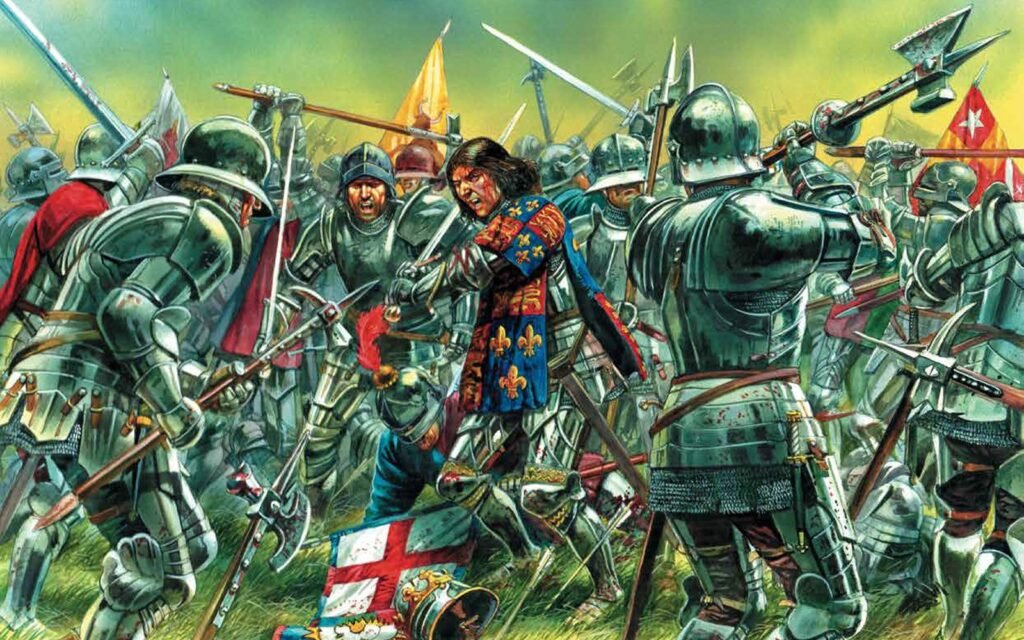
The rivalry is popularly traced to the Wars of the Roses, the 15th-century civil wars fought between the House of Lancaster (red rose) and the House of York (white rose) for the English throne. Manchester sits in historic Lancashire; Leeds in historic Yorkshire. The kit colours nod to this directly — Leeds in white for the York rose, Manchester United in red for Lancaster — even though Leeds only adopted all-white in the 1960s, inspired by Real Madrid, and United’s shirts haven’t always been red either. A second, more concrete layer was added in the 18th and 19th centuries, when Leeds’ wool trade and Manchester’s cotton trade made the two cities direct industrial rivals during the Industrial Revolution.
The Clubs Take Shape
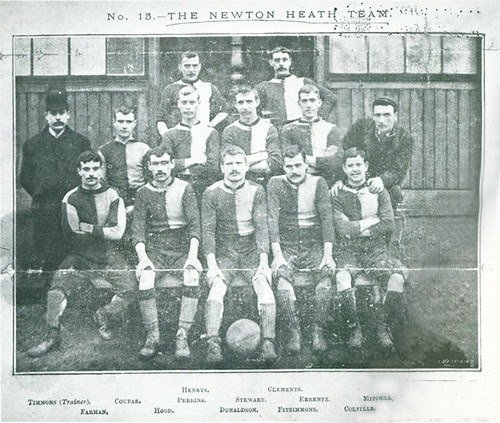
Manchester United were first to exist, founded in 1878 as Newton Heath LYR by employees of the Lancashire and Yorkshire Railway, and renamed Manchester United in 1902 after new investment rescued the struggling club.
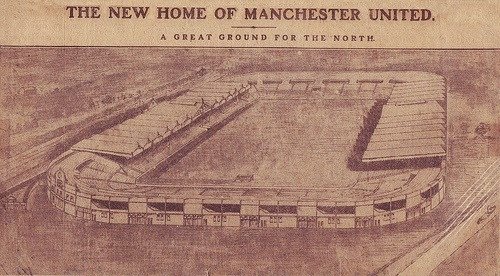
Old Trafford opened on 19 February 1910 — the club’s home for all but a handful of the years since, aside from a stretch sharing Manchester City’s Maine Road after Old Trafford was bomb-damaged during the Second World War.
Leeds’ path was far messier. An earlier club, Leeds City, had represented the city since 1904, managed for a spell by a young Herbert Chapman (who later built great sides at Huddersfield and Arsenal). In 1919, Leeds City were forcibly expelled from the Football League after refusing to open their books to an FA and Football League inquiry into illegal wartime payments to players — one of English football’s earliest and most dramatic administrative scandals. Five club officials were banned for life. The club’s players and assets were sold off at a public auction that October. Leeds United were formed later that same year to take up the mantle, inheriting Elland Road.
First Meetings
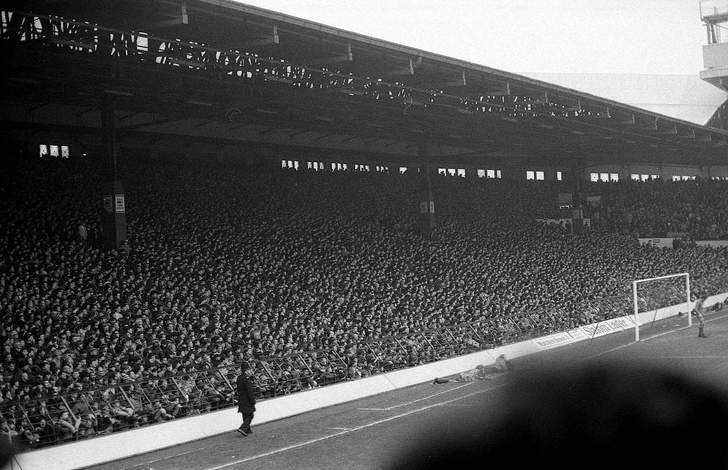
Because Leeds United wasn’t formed until 1919, the true rivalry begins with the clubs’ first meeting on 20 January 1923 — a Second Division match at Old Trafford that finished 0–0 in front of 25,000 fans. United won the return 1–0 a week later. Both clubs bounced between divisions through the interwar years and rarely finished near each other, so meetings stayed sporadic through the 1920s, ’30s and ’40s.
1963: Johnny Giles Crosses the Pennines
Don Revie’s Leeds side of the 1960s took shape partly on the back of Manchester United’s own discards.
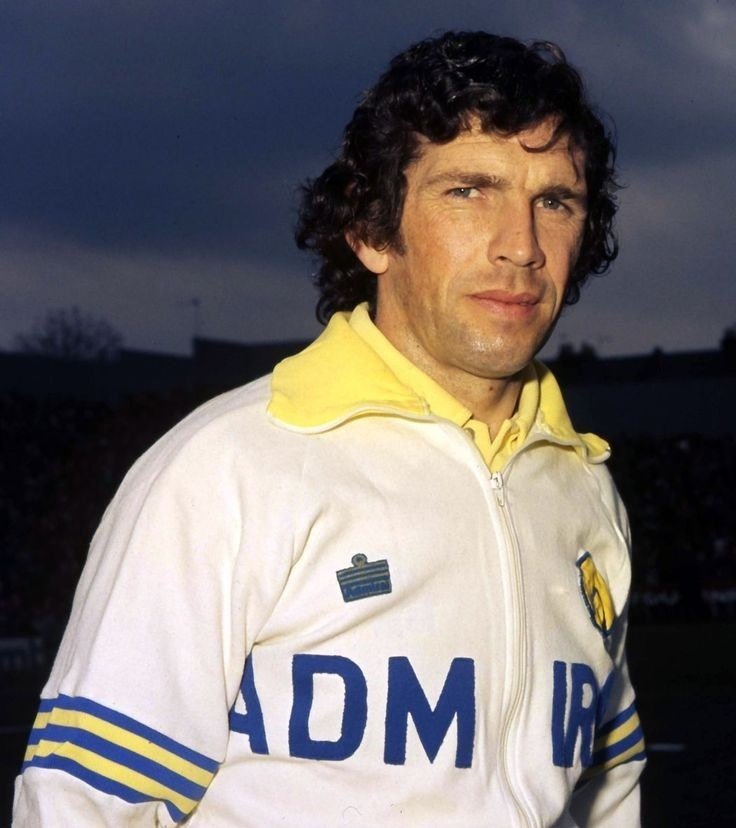
Irish midfielder Johnny Giles moved from Old Trafford to Elland Road in 1963 for £33,000, becoming one of the most important players of Revie’s great Leeds team — a quietly ironic detail given how central player-poaching would become to later chapters of this rivalry, running in the opposite direction.
1965: The FA Cup Semi-Final
Leeds and Manchester United were drawn together in the 1965 FA Cup semi-final at Hillsborough — a genuinely vicious game remembered for Jack Charlton and Denis Law wrestling each other to the ground mid-match. It finished 0–0. The replay at Nottingham Forest’s City Ground was just as tense, with Billy Bremner scoring the only goal in the 89th minute to send Leeds to Wembley. The aftermath was chaotic in its own right: hundreds of fans invaded the pitch, and a 16-year-old Manchester United supporter knocked referee Dick Windle unconscious before being caught and handed to police. The two clubs finished level on points at the top of the league table that same season, with United taking the title only on goal average.
1969: Busby’s Exit
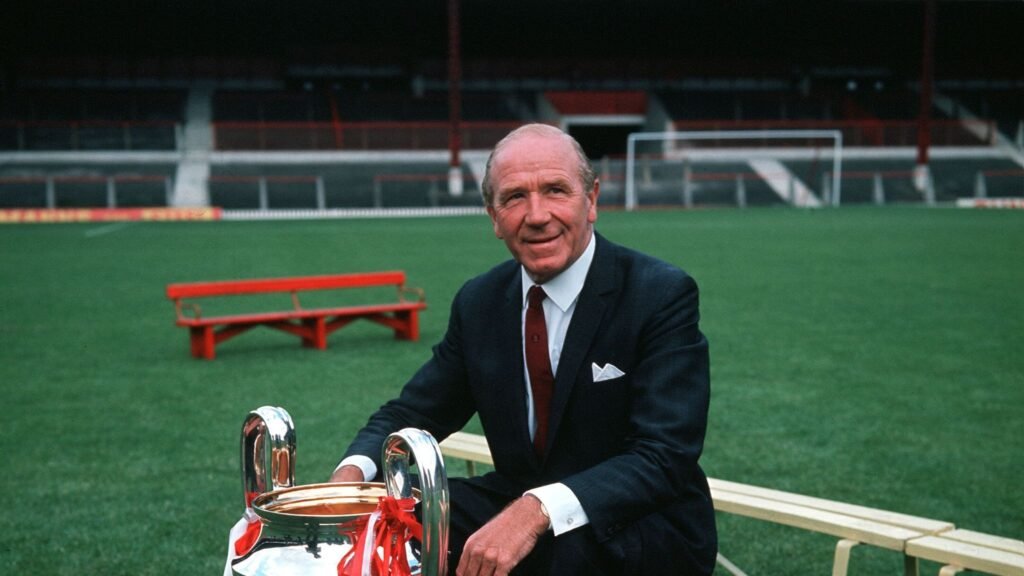
Sir Matt Busby announced his retirement as Manchester United manager in January 1969, stepping down that June after 24 years in charge. Manchester United’s own retrospective on the day is direct about the football backdrop: “A 2-1 defeat at Leeds United had condemned the Reds to a third successive loss in Division One” immediately before the announcement — while stressing that Busby himself always maintained the timing was about his own physical limits, not results.
The Late ’60s and Early ’70s: Peak Leeds
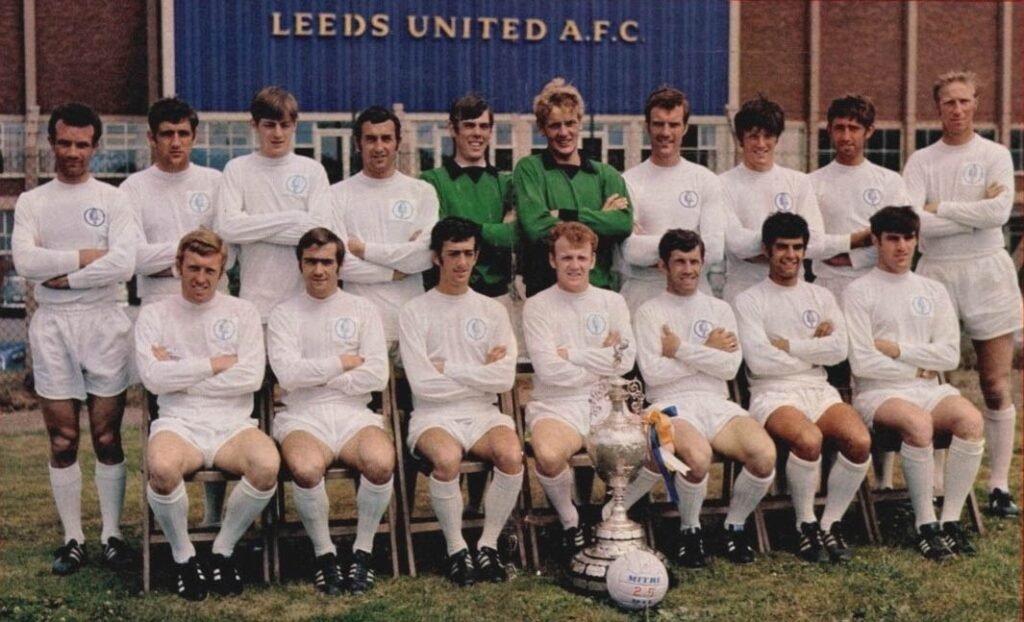
Leeds went 13 matches unbeaten against Manchester United across all competitions between November 1967 and December 1972 — still the joint-longest run any club has gone without beating Manchester United in United’s entire history, and something no manager besides Revie has ever managed. Leeds won the league title in 1968–69 and 1973–74, and built a fearsome European record against sides like Juventus, Barcelona and Valencia along the way. The standout scoreline from this stretch: a 5–1 Leeds win at Elland Road on 19 February 1972, in which Mick Jones scored a hat-trick.
1977: The Battle of the Roses
Leeds and Manchester United met again in the FA Cup semi-final, this time at Hillsborough on 23 April 1977 — a game the official matchday programme itself labelled “The Battle of the Roses.” The ticket split explains much of the day’s tension: both clubs and host club Sheffield Wednesday would normally each get a third of the allocation, but Wednesday returned their share to the FA, who handed it to Manchester United, giving United fans a significant numerical advantage inside the ground. Contemporary photography from the day shows heavy policing and tense crowds moving through Sheffield, with reported scuffles throughout the build-up. Manchester United won 2–1 — Jimmy Greenhoff and Steve Coppell for United, an Allan Clarke penalty for Leeds — and went on to beat Liverpool by the same score in the final.
The following year twisted the knife further: Leeds sold two of their best players, Joe Jordan and Gordon McQueen, to Manchester United within weeks of each other in early 1978. McQueen in particular had been a fan favourite; when he returned to Elland Road the next season, he was booed and had objects thrown at him — before scoring a headed goal to silence the crowd.
The Firms
Organised hooliganism, with named “firms” rather than spontaneous terrace scuffles, took hold across English football through the 1970s, and this fixture became one of its defining stages. Leeds’ firm, the Service Crew, formed in 1974 and took its name from the ordinary public service trains its members rode to away games instead of the heavily policed “football special” trains, deliberately avoiding the extra scrutiny — a history documented in detail in journalist Caroline Gall’s book on the group. Manchester United’s Red Army was their direct opposite number. Fights between the two through the late ’70s and ’80s are recorded among the most violent clashes in British football history.
The Long Silence
Leeds were relegated to the Second Division in 1982 and didn’t return to the top flight until 1990 — meaning the rivalry simply didn’t happen, in league terms, for the better part of a decade, at exactly the point English hooliganism as a whole was at its worst.
1991: The Winter Trilogy
Howard Wilkinson’s newly promoted Leeds drew all four league meetings with Manchester United across their first two seasons back, but 1991–92 turned into a genuine title race — the last-ever old First Division championship before the Premier League launched.
The season’s defining stretch came in December 1991, when the two clubs played three times in eighteen days, all at Elland Road — a run English football writers still call the “Winter Trilogy.” Manchester United won the cup meetings in that stretch, on their way to winning the League Cup outright that season, while the league fixture between them on 14 December finished 1–1, a Mel Sterland penalty cancelling out an early Neil Webb goal, leaving the sides level at the top of the table.
While the football world’s attention was on the trilogy, Leeds quietly signed a struggling young Frenchman on loan from Nîmes named Eric Cantona in the background.
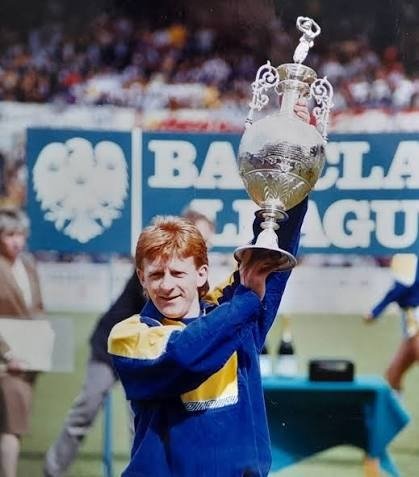
Leeds went on to win the title by four points, with the trophy lifted by captain Gordon Strachan — a player Manchester United themselves had sold to Leeds in 1989. It remains Leeds’ third English league title, and their last major domestic honour.
1992: Cantona Crosses the Divide
That November, Leeds sold Cantona to Manchester United for just £1.2 million (Manchester United’s own then-chairman Martin Edwards later revealed the actual fee paid was closer to £1 million). The transfer itself began almost by accident: Leeds managing director Bill Fotherby called Old Trafford to enquire about signing United defender Denis Irwin. When that was politely refused, Alex Ferguson turned the conversation to Cantona instead, and a deal was struck within days.
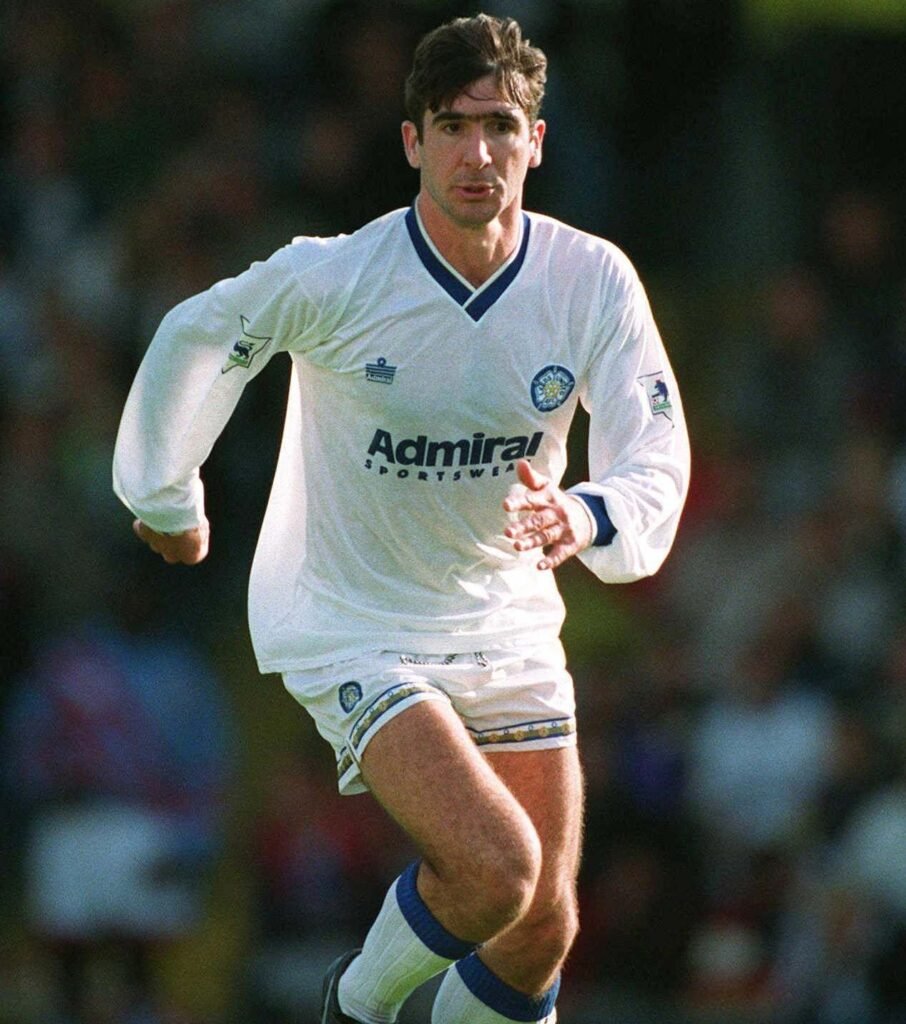
Cantona became the totemic figure of Ferguson’s United sides through the 1990s, winning the league four times in five seasons and later being voted the club’s player of the century.
To Leeds fans, his sale by their own reigning champions remains one of the rivalry’s rawest wounds.
1997: Keane and Haaland
The rivalry’s nastiest individual flashpoint began, ironically, with an injury rather than a foul.
On 27 September 1997, Manchester United captain Roy Keane ruptured his anterior cruciate ligament attempting a tackle on Leeds’ Norwegian defender Alf-Inge Haaland at Elland Road. As Keane lay on the ground in genuine pain, Haaland stood over him and accused him of feigning injury, telling him to get up.
Keane later admitted in his 2002 autobiography that he never forgot it — and that when the pair met again in a Manchester derby in April 2001, his knee-high tackle on Haaland was deliberate, premeditated revenge. Keane was sent off, fined £5,000 and banned three games at the time. Once his autobiography’s admission became public, the FA fined him a further £150,000 and banned him five more games for bringing the game into disrepute.
2000: A Rivalry Set Aside… Briefly
Two Leeds fans, Christopher Loftus and Kevin Speight, were stabbed to death in Istanbul before a UEFA Cup semi-final against Galatasaray in April 2000.
Many Manchester United fans paid their respects and left tributes at Elland Road in the aftermath. That goodwill didn’t last: by the two clubs’ next league meeting, a section of Manchester United supporters had unfurled banners glorifying the killers, and Leeds fans responded with chants about the 1958 Munich air disaster — one of the ugliest recurring threads in this rivalry’s chanting culture on both sides, which has resurfaced repeatedly at fixtures since, including as recently as 2021.
Financial Collapse, and Two Contrasting Transfers
Leeds’ push to reach the 2001 Champions League semi-final was funded by unsustainable borrowing, and the club was relegated from the Premier League at the end of 2003–04. Two transfers either side of that relegation still sting Leeds fans specifically because of how each player was received:
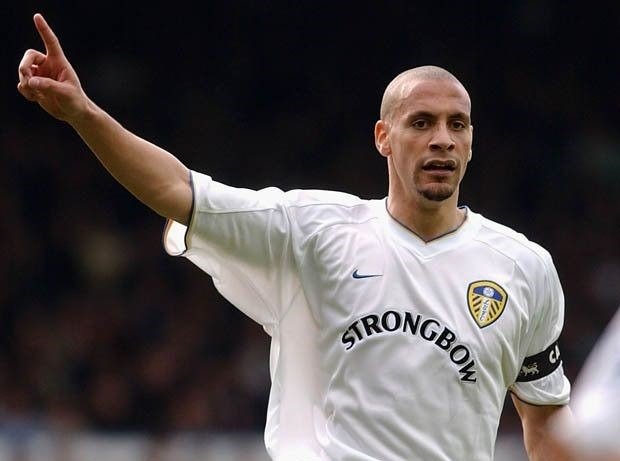
- Rio Ferdinand moved from Leeds to Manchester United on 22 July 2002 for £29.1 million, then a world-record fee for a defender. Ferguson himself called Leeds “one of our fiercest rivals” in the announcement, and admitted the deal had taken patience to complete.
- Alan Smith, a local Leeds boy and fan favourite known for kissing the club badge, moved to Manchester United in May 2004, shortly after Leeds’ relegation, for a fee worth around £7 million. Leeds fans nicknamed him “Judas” — made sharper by the fact that Smith had told Soccer AM in 2002 that Manchester United were the one club he’d never play for. Ferguson later admitted his own coaching staff had assumed the same thing: “He’s a Leeds boy and he would never come here.”
Three years later, Leeds entered administration on 4 May 2007, incurring a 10-point deduction that confirmed relegation to League One. It got worse before it got better — Leeds started the following League One season with a further 15-point deduction for exiting administration without an approved creditors’ agreement, a blow the club nonetheless survived, going on to lose that season’s play-off final rather than being relegated further.
2010: One of the Great FA Cup Upsets
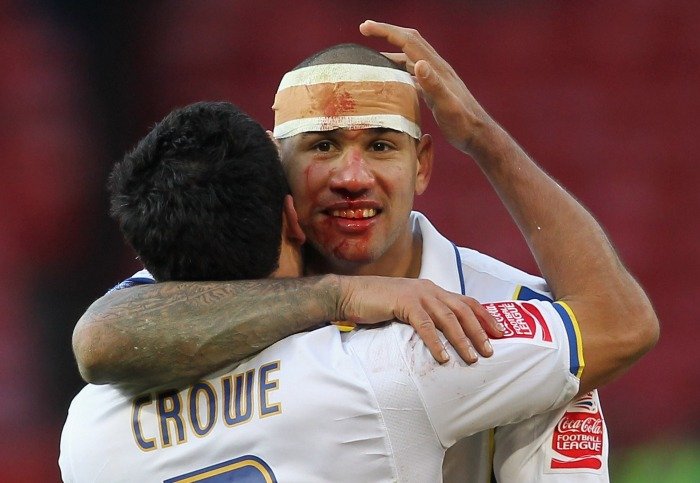
With Leeds now two divisions below Manchester United, the sides were drawn together in the FA Cup third round on 3 January 2010. Leeds, 43 places below their hosts in the league pyramid, won 1–0 at Old Trafford — their first win there in 28 years, sealed by a goal from Jermaine Beckford that’s since become folklore among Leeds fans, watched by a record fixture crowd of 74,526. Alex Ferguson called the rivalry “fantastic, feisty occasions” with an “electric” atmosphere in the build-up. It remains one of the most-cited FA Cup shocks of the last twenty years.
The Modern Era
Leeds returned to the Premier League for 2020–21 after winning the Championship, ending a 16-year absence from top-flight meetings with United. It didn’t start gently: the first fixture, at Old Trafford on 20 December 2020, finished 6–2 to Manchester United. The following season was worse for Leeds on opening weekend — a 5–1 defeat at Old Trafford on 14 August 2021, featuring a Bruno Fernandes hat-trick, in the first full-capacity Old Trafford crowd in 524 days. That fixture also had its own supporter controversy, with Munich chants from Leeds fans and a Turkish flag dropped into the away end by United supporters — a direct, deliberate callback to 2000.
Leeds were relegated again in 2022–23 and the sides didn’t meet for three seasons, resuming on 4 January 2026 with a 1–1 draw at Elland Road — Ruben Amorim’s final match in charge of Manchester United before his dismissal the following day. The return, on 13 April 2026, saw Leeds win 1–2 at Old Trafford, their first league win there since February 1981. The next meeting is scheduled for 17 October 2026 at Elland Road.
Old Wounds, Same Division
Strip away the Roses framing and what’s left is a rivalry that keeps circling back to the same wound: one club raiding the other’s best players and calling it business, while the other side calls it betrayal. Giles in 1963, Jordan and McQueen in 1978, Cantona in 1992, Ferdinand in 2002, Smith in 2004 — it’s happened in both directions often enough that neither fanbase gets to claim the moral high ground, but it’s Leeds who’ve absorbed the pattern more painfully, mostly because they’ve had less silverware to console themselves with each time.
That’s really the story the numbers tell. The trophy count, 68 to 9, says that this has mostly been a rivalry Manchester United could afford to lose sleep over and Leeds couldn’t. What’s kept it alive anyway is everything that happened around the results — the 1965 semi-final chaos, the Battle of the Roses in ’77, the Service Crew and the Red Army, Keane standing over Haaland, the Munich chants that still surface a quarter-century after Istanbul. None of that shows up in a stats table, and all of it is the actual reason this fixture still carries more weight than its recent Premier League standing would suggest.
With both clubs back in the same division, and Leeds finally getting a result at Old Trafford again after 45 years, the rivalry is entering a phase neither fanbase has experienced in a generation: genuine, current, week-to-week relevance, rather than nostalgia for what it used to be. Whether it stays that way is, as ever with these two, mostly out of either club’s hands.
Related Reading: More Rivalries, More History
- Millwall’s hooliganism history: rise, fall and reckoning
- The Dockers’ Derby: West Ham vs Millwall
- Sunderland vs Newcastle: the Tyne-Wear Derby
Sources & References
Origins and early history
- NationalWorld/Yorkshire Post, “Why do Leeds United hate Manchester United?”
- FootTheBall, “Why Leeds United–Manchester United rivalry is called War of Roses”
- Manchester United official site, “Old Trafford stadium history 1910 to 1930”
- When Saturday Comes, “Illegal payments, blackmail and Herbert Chapman – the sorry tale of Leeds City”
- Leeds United official site, “17th October 1919: The Fall and Rise of Football in Leeds”
Match records and statistics
- 11v11.com, Manchester United record v Leeds United
- Opta Analyst, “Manchester United vs. Leeds United Through Time”
1960s and 1970s
- ozwhitelufc.net.au, match report, 27 March 1965
- Manchester United official site, “The day Sir Matt Busby rocked the footballing world in 1969”
- British Culture Archive, “Photographs of Manchester United & Leeds Fans, 1977”
- Caroline Gall, “Service Crew: The Inside Story of Leeds United’s Hooligan Gangs”
1990s
- All Football, “Man Utd vs Leeds: Hostile and historic, the game EPL has been missing”
- Premier League official site, “30 years ago: The phone calls that took Cantona to Man Utd”
- Goal.com, “Mythbuster: Did Roy Keane end Alf-Inge Haaland’s career?”
- The42, “How an incident 20 years ago caused so much rage and recrimination”
2000s
- UEFA.com, “United unveil €46.9m Ferdinand”
- PlanetFootball, “Recalling Alan Smith’s stunning Man Utd debut goal”
- Goal.com, “Biggest points deductions in English football”
- BBC Sport, “Man Utd 0-1 Leeds United”
Modern era